
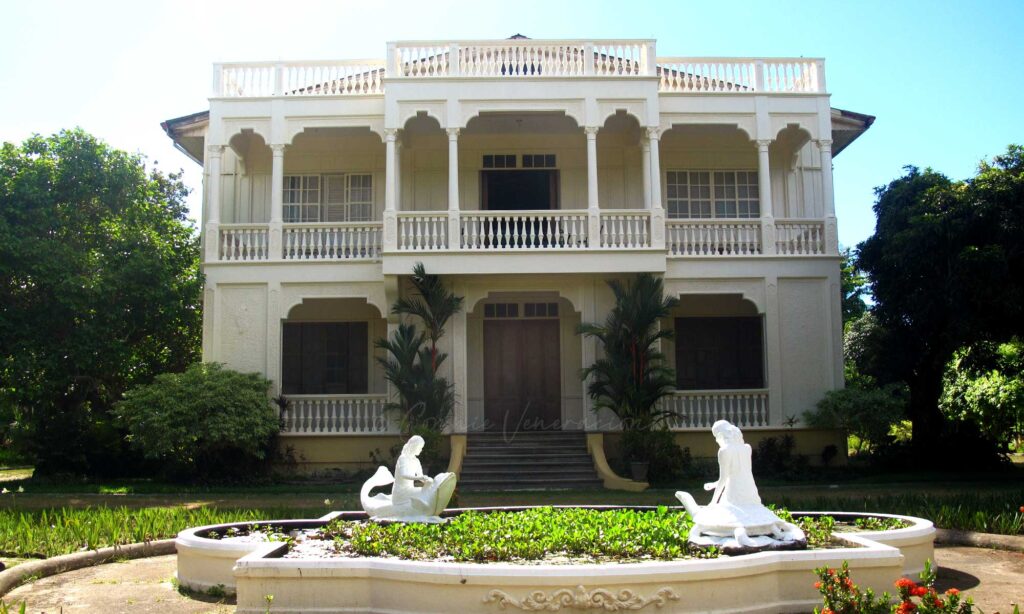
In 1982, Peque Gallaga directed Oro, Plata, Mata (Gold, Silver, Death), a multi-awarded film about the lives of two families, the Ojedas and the Lorenzos, in Negros during the second World War. To this day, Oro, Plata, Mata is still considered one of the finest Filipino films ever produced with its superb production design and the performance of a stellar cast. It will always be remembered as the film that launched the career of actor Joel Torre.
The story is played out in three segments. The first segment (oro) illustrates the life of luxury of the two wealthy families before the Fall of Corregidor which marked the successful entry of the Japanese forces in the Philippines. The second segment (plata) is set in the hacienda outside the city where the Ojedas and the Lorenzos sought refuge. The final segment (mata) depicts the hardships endured by the families as they fell prey to atrocities committed by fellow Filipinos who looted, raped and killed.
Although set forty years earlier, some critics claim that the struggles in the story parallel the lives of the Filipinos under Marcos’ martial law with the message that the real enemies were our own countrymen.
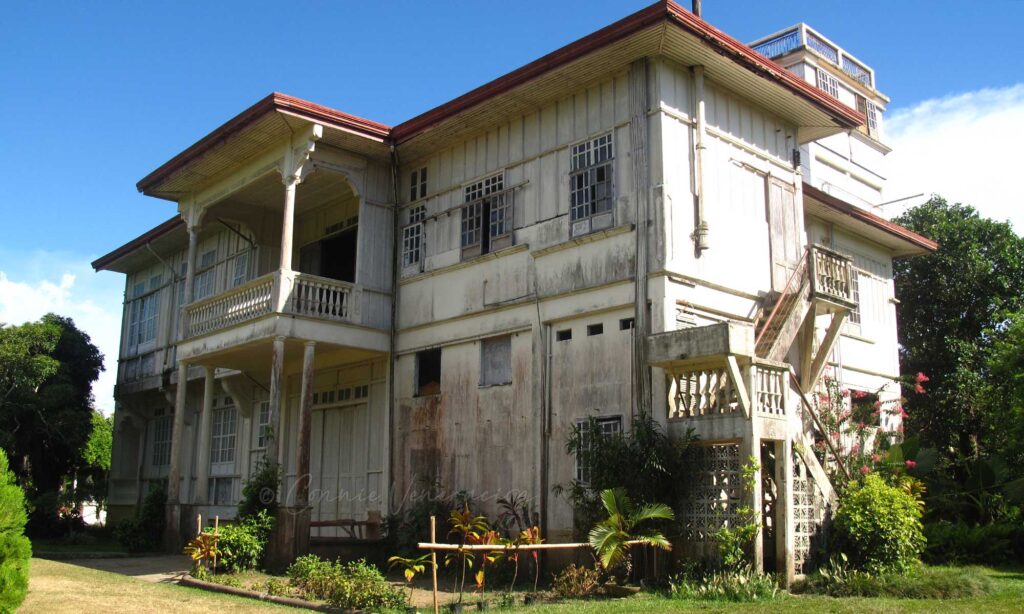
Central to the mood and theme of the film is its setting, a house about an hour’s drive from Bacolod City, capital of Negros Occidental. The Gaston Mansion is the ancestral house in Hacienda Rosalia in the municipality of Manapla.
When we drove to the house last week, it was closed as the owner was in Bacolod and the caretakers were partaking of the revelries in a neighborhood fiesta. But our host and hostess knew Monsignor Gaston, the current owner, a phone call was made and the house was unlocked for us.
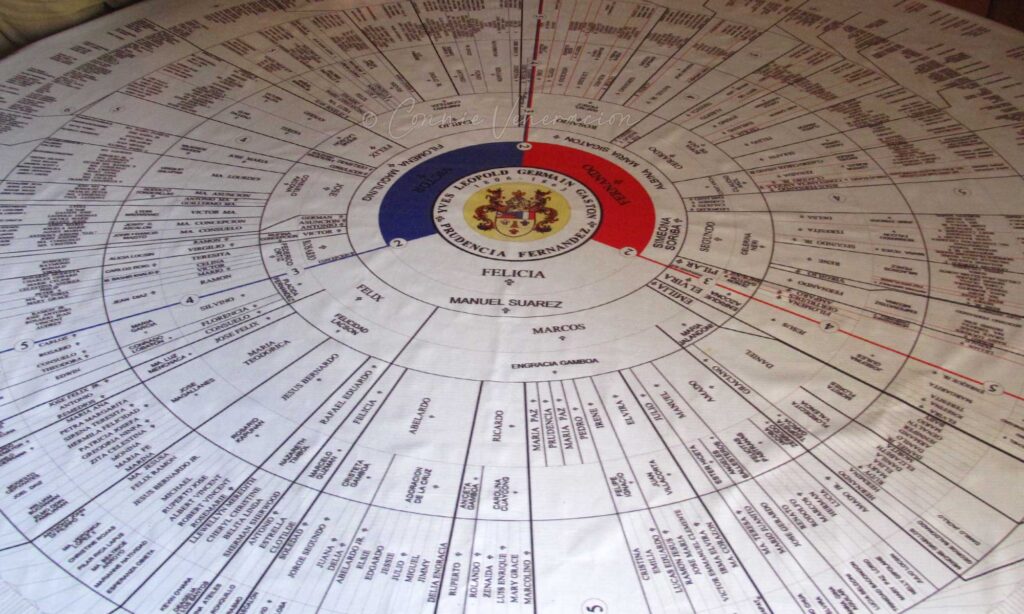
On the foyer was a table with a family tree of the Gaston family which traces its ancestry to Yves Leopold Germain Gaston, a Frenchman who settled in the Philippines and credited as the first to produce commercial cane sugar, and Prudencia Fernandez.
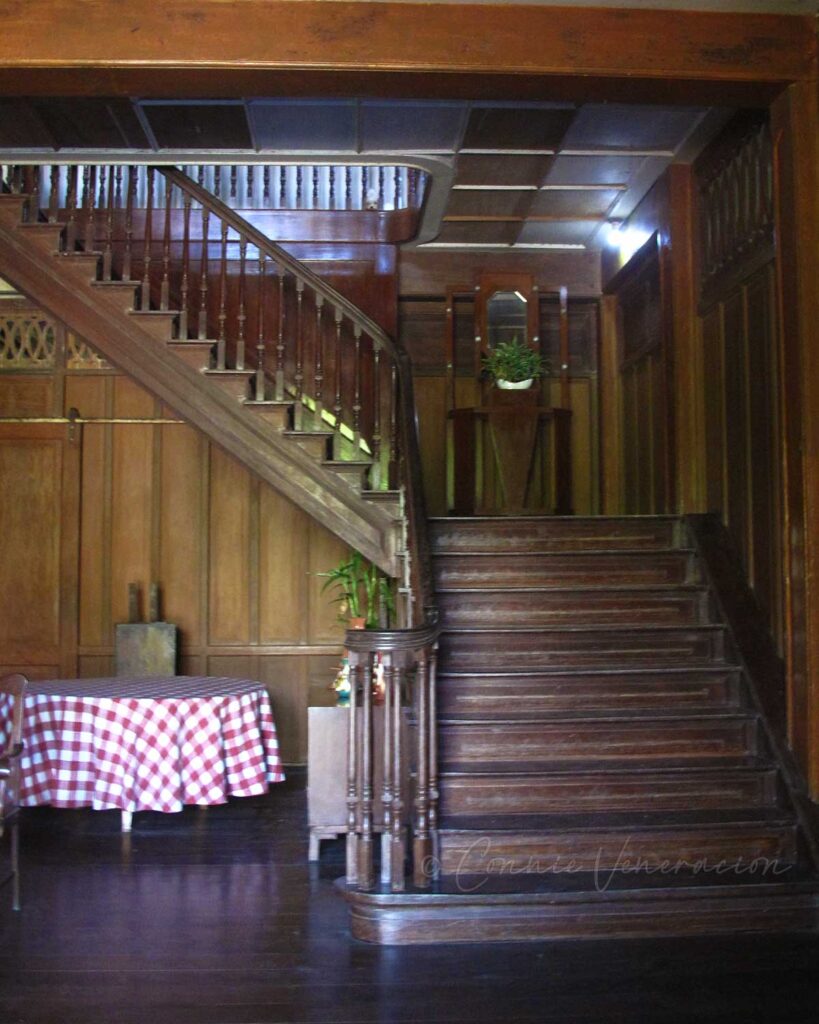
And then there was the staircase immortalized in Gallaga’s film. In Philippine architecture, there is an old superstition that design elements should never be in multiples of three following the oro, plata, mata principle where mata, the third in the sequence, is associated with death or bad luck. Staircases, in particular, are so designed so that the total number of steps is not divisible by three.
Last year, Peque Gallaga returned to the Gaston Mansion to shoot Sonata. As it did with Oro, Plata, Mata, the Gaston Mansion took center stage once more as a symbol of the nostalgic beauty of Negros.
Discover more from Connie Veneracion
Subscribe to get the latest posts sent to your email.
