
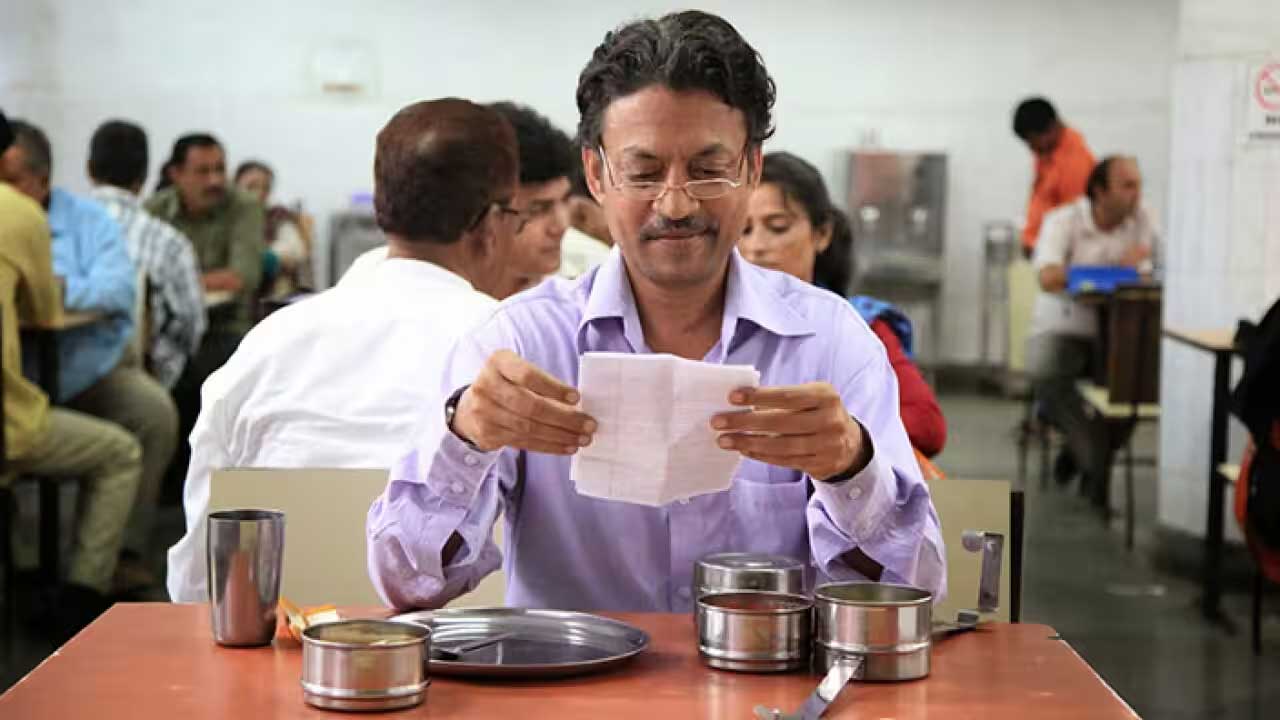
It was a lazy afternoon in 2014 when I first saw The Lunchbox. Netflix hadn’t arrived in the Philippines yet and what we had was satellite TV. I wanted to watch a show about food but I was tired of The Food Network. I was flipping through the channels when I landed on a scene where dabbawalas carrying loads of lunchboxes were climbing on to a train. I put down the remote.
I first learned about the Mumbai lunchbox delivery system on Discovery Channel years earlier. Lunchboxes of employees and workers, prepared by their wives, are collected from their houses late in the morning, delivered to their workplace and, after lunch, collected once more to be delivered back home.
It might sound simple but it’s far from simple. A dabbawala collects dozens of lunchboxes at a time, lunchboxes collected by a group of dabbawalas are brought to a sorting place where they are dispatched, often via trains, to their destinations. Another group of dabbawalas collects them and bring them to the recipients. The entire process is frenetic with everyone moving fast to make sure that the food is delivered without getting cold and in time for lunch.
How every lunchbox manages to get to its rightful recipient is nothing short of amazing. Hundreds of lunchboxes arrive at the train station but, wonder of wonders, the lunchboxes get sorted out correctly. It’s a system that’s more than a century old. Lunches get delivered even during bad weather. Since the system began in 1890, no dabbawala has ever gone on strike.
But what was on the TV screen that afternoon in 2014 wasn’t a documentary. It was a movie called The Lunchbox. The story is about one instance where the dabbawala system fails. It’s just a glitch, really, when the lunchbox meant for Ila’s husband gets delivered to the accountant Saajan, a widower about to go on retirement.
The young wife Ila is trying to rekindle the romance in her marriage by learning to cook her husband’s favorite dishes. When the lunchbox is returned empty, she thinks she had pleased her husband not knowing that another man had enjoyed the food. The mistake becomes clear when her husband mentions liking the cauliflowers she had cooked when, in fact, there was no cauliflower in the lunch she made.
She prepares lunch the following day anyway and inserts a note in the lunchbox thanking whoever had been enjoying her cooking for showing appreciation. Saajan responds with a note. Ila and Saajan starts communicating daily. Ila finds a friend and confident in Saajan and he finds in her the sparkle of life he thought he had lost forever with the death of his wife.
The Lunchbox isn’t a movie about food exactly. It is a romantic comedy; food just happens to be the trigger that sets the story in motion. It is rich in cultural commentaries about the traditional role of a wife, her financial dependence on a husband who no longer cares for her, her options and whether she had the courage to take them irrespective of social backlash.
But central to the story is how food can bring people close to each other even if they are total strangers. On the one hand is a woman who uses food to please and, on the other hand, a man who appreciates her efforts and honestly enjoys her creations. And they win each other’s heart through a lunchbox delivered to the wrong recipient.
Discover more from Connie Veneracion
Subscribe to get the latest posts sent to your email.

 White miso is not white at all. It’s beige.