
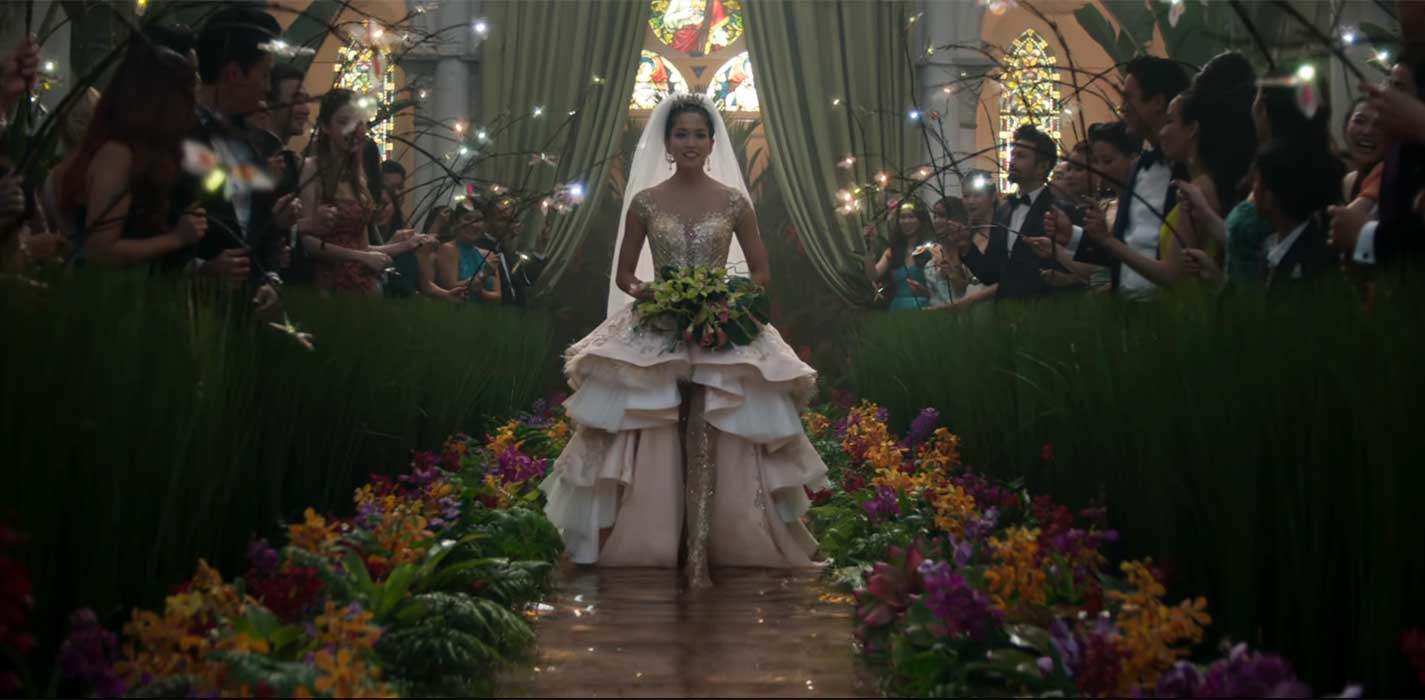
A sequel has been greenlit, and it will be an 8-episode series. Michelle Yeoh, Constance Wu and Henry Golding will be reprising their roles. I’m excited. I’m rewatching the 2018 movie and I’ll be cramming my head with the Crazy Rich Asians book trilogy before the series airs.
Meanwhile, a look back at the 2018 movie which was groundbreaking in many ways although it wasn’t free from controversy especially with regard to its casting. I’m just going to skip the Hollywood politics and say that, eight years later, Crazy Rich Asians is still a delightful watch and rewatch — a visually enticing satire full of symbolisms and subtext. The costumes and jewelry are gorgeous, the party scenes are mere fantasies for the likes of you and me, the food is drool-worthy and there’s a wedding that trumps European royal weddings in production and staging.
It’s easy to get lost in the excesses. It’s easy to indulge in escapism. After all, it really is just another Cinderella story except that Crazy Rich Asians‘ Cinderella is a highly educated economics professor rather than an orphan without prospects. Of course, the “orphan” angle is just part of the storyline in the movie (and novel). That the orphan is really an heiress should come out in the sequel because that’s the way the story goes in the novels.
Once the glitz and cattiness numb your mind, there’s a window of opportunity to notice what Crazy Rich Asians is really all about — a hard look at the significance of family and tradition in the Asian context.
There are three scenes that especially significant. The dumpling-making scene; the wedding party scene when our heroine, Rachel, is confronted by her boyfriend’s mother and grandmother with evidence of her lineage (of which she isn’t aware); and the mahjong scene.
The dumpling-making scene
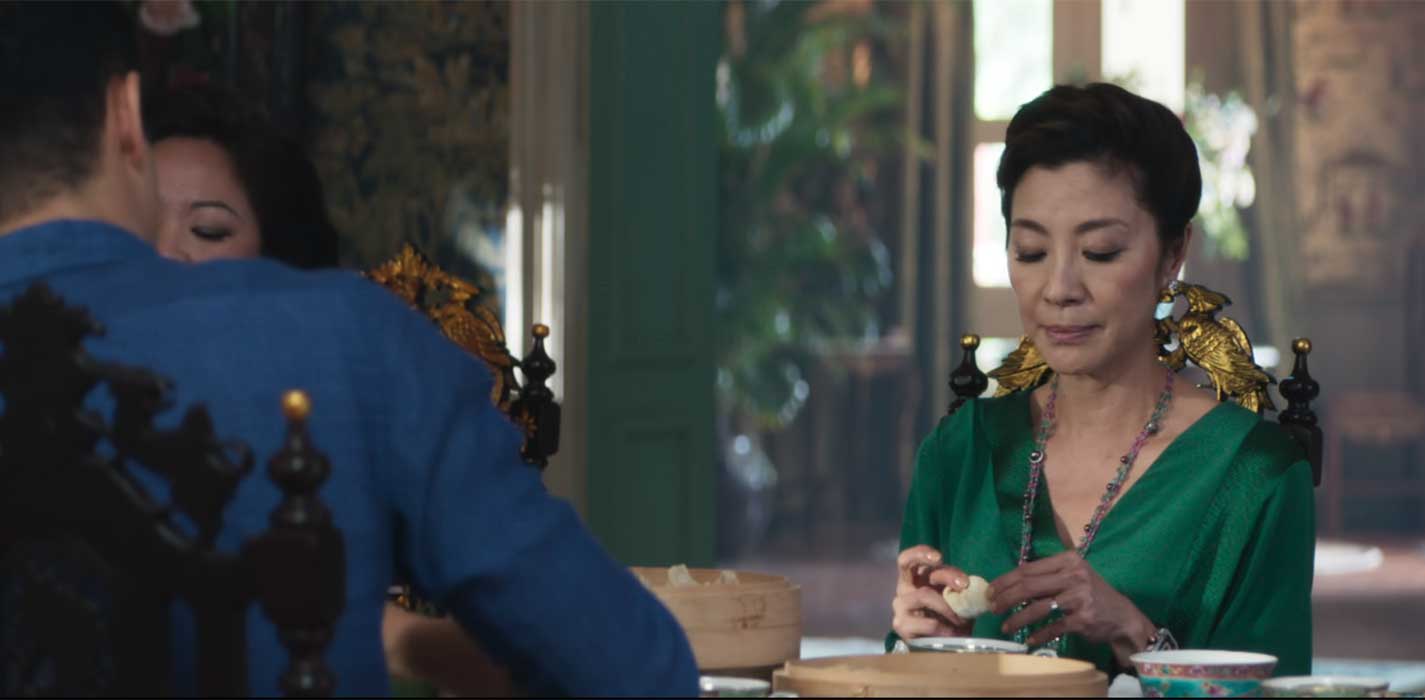
In the old rich Young family, of which Rachel’s boyfriend, Nick, is the heir apparent, dumpling making isn’t just a family activity indulged in to pass the time. It is an art and skill taught by parents to children who are expected to pass on the tradition when they become parents themselves. It is a symbol of family history and continuity.
Nick’s mother, Eleanor, uses the opportunity to slyly intimate to Rachel just how unworthy she is with a dead father she never even knew, and without a family network except for her mother.
Lineage
Rachel grew up in America and was raised by a single mother. She had been told that her father had died. To her utter surprise, Eleanor, who had hired a private investigator to look into her background, accused her of lying about her family.
Your mother’s husband is very much alive. During her marriage, she cheated on him and became pregnant with another man’s child, and before he found out, she ran away to America.
Old rich. They weigh their social value as persons based on their name and ancestry. And anyone who does not have that kind of illustrious ancestry is nothing. It doesn’t matter what a person has achieved by himself or herself. It’s always about who and where one comes from.
In contrast, Rachel’s college friend Peik Lin Goh’s family is new rich. And their lifestyle shows it.
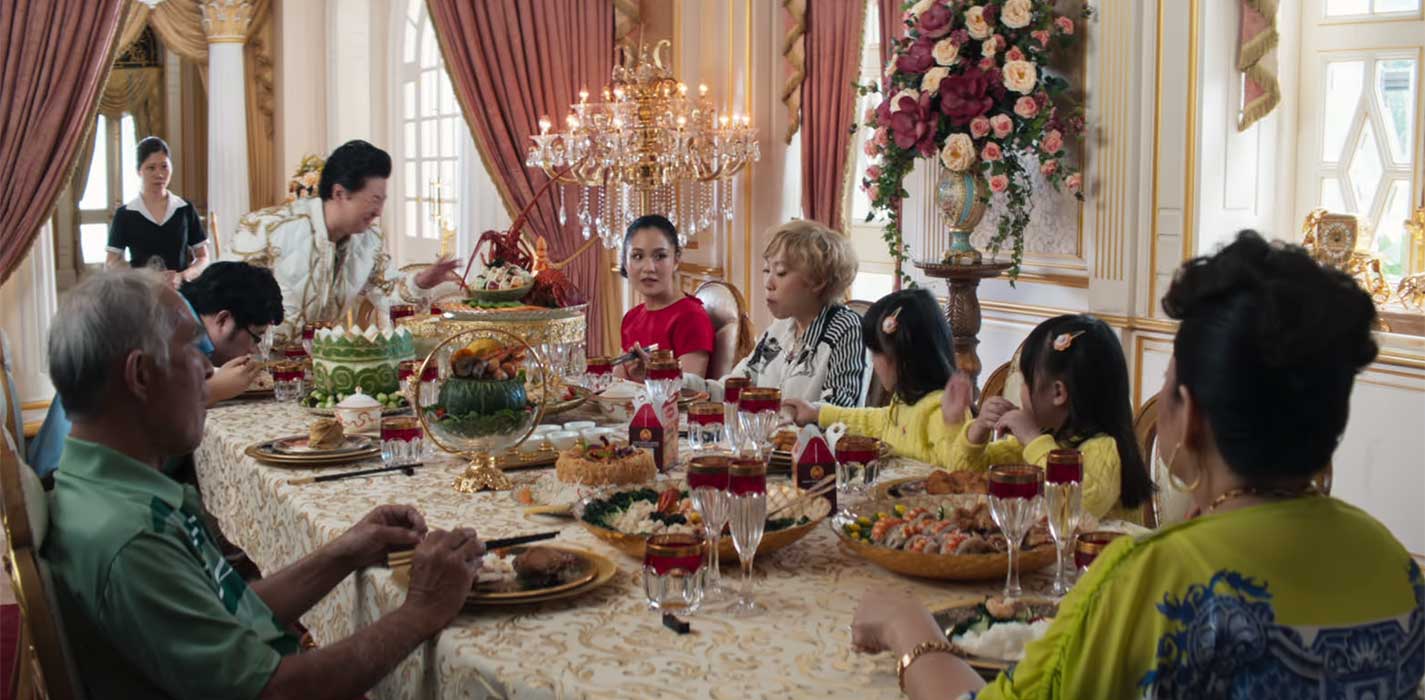
Vulgar rather than classy, and ostentatious to the extreme. BUT. The whole family valued Rachel as a person, and were genuinely impressed with her educational and professional achievement. Peik Lin’s father was even trying to make a match between his son and Rachel until Peik Lin announced that Rachel came to Singapore with her boyfriend.
The mahjong scene
Mahjong-playing has a long history in China. According to the backstory of the making of the film, the mahjong scene was introduced by Adele Lim, one of the screen writers, to add cultural depth and authenticity. The scene is played out like a battle between Rachel and Eleanor.
The older woman is confident of winning because she is more experienced — an obvious juxtaposition of her “victory” at ending Rachel’s and Nick’s relationship. But she loses to Rachel whose grasp of strategy — coupled with a poker face — she unfortunately underestimates.
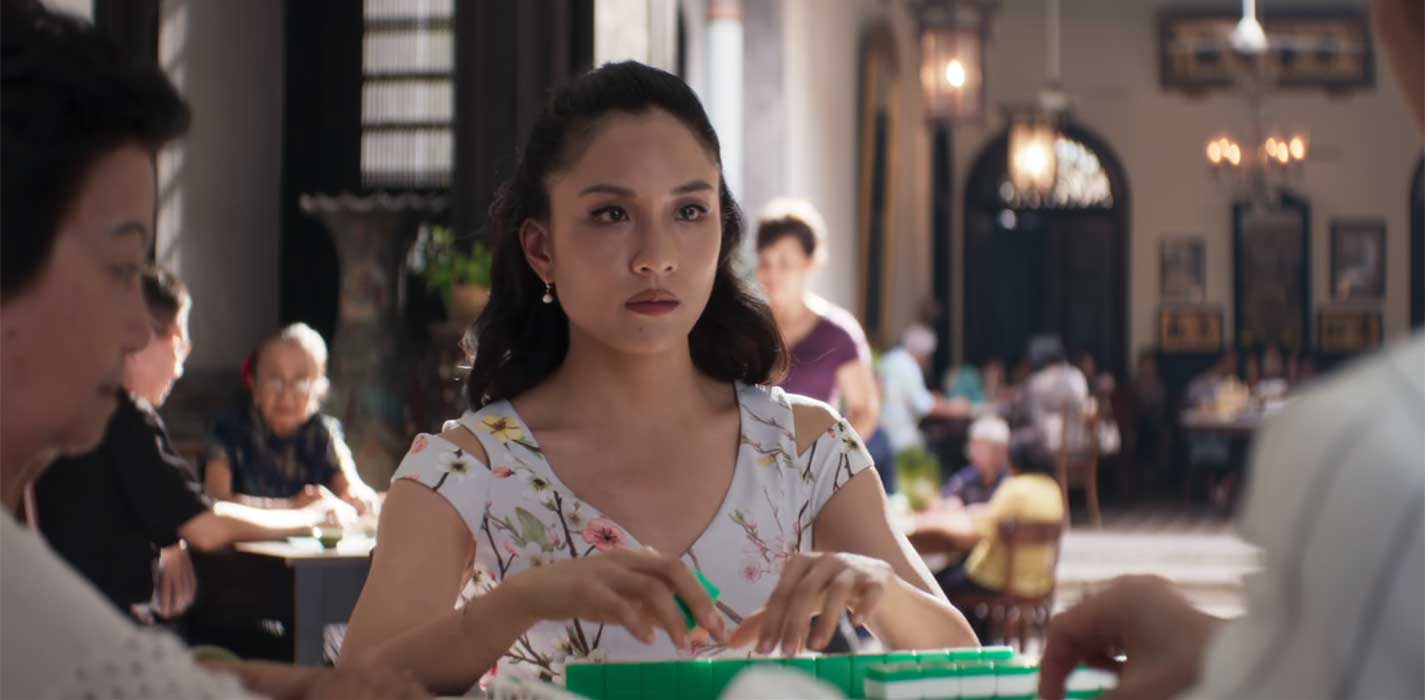
And it isn’t just the mahjong game that Eleanor loses. Accusing Rachel of knowing nothing about “building things that last”, Rachel proves her wrong when she tells her that she had made the ultimate sacrifice of giving up Nick so that he wouldn’t have to lose his family. And Eleanor loses face. In Chinese culture, losing face is like a social death.
When you lose face it means your ability to function as part of the social order has been damaged. You have lost influence and injured your reputation.
What Does Losing Face Mean? The Importance of Face in Chinese Culture
If you missed all that when you watched Crazy Rich Asians because you were too focused on the glamor and the Cinderella drama, it’s time to watch it again.
Discover more from Connie Veneracion
Subscribe to get the latest posts sent to your email.

 Crispy pork belly chronicles: updated